
Get Drain Line Replacement
Drain line replacement services involve local contractors fixing or replacing damaged underground pipes to resolve clogs, leaks, or backups in residential or commercial properties.
Property owners considering drain line replacement often recognize the importance of maintaining a properly functioning plumbing system. Whether addressing persistent clogs, signs of deterioration, or planning for future property improvements, exploring local contractor options can help ensure the work is handled efficiently and effectively. Comparing services from nearby providers allows property owners to find solutions tailored to their specific needs, providing peace of mind during the planning process.
For those seeking reliable drain line replacement services, understanding the range of available local contractors is a practical step. By exploring different options, property owners can identify experienced service providers capable of managing the project with attention to detail. Continuing to read can help uncover valuable insights into how local professionals can support property maintenance and improvement goals.
- Drain Line Replacement - needed when existing drain lines are cracked or severely clogged, causing backups or leaks.
- Drain Line Replacement - required if tree roots have infiltrated and damaged underground pipes.
- Drain Line Replacement - necessary after pipe corrosion or deterioration leads to frequent blockages.
- Drain Line Replacement - essential when old pipes no longer meet current plumbing standards or codes.
- Drain Line Replacement - advised if there are persistent foul odors or unexplained water pooling around the property.
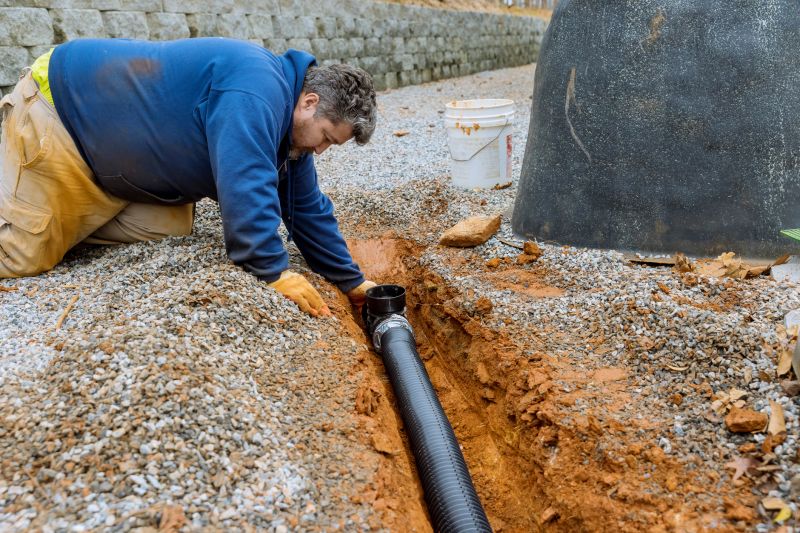
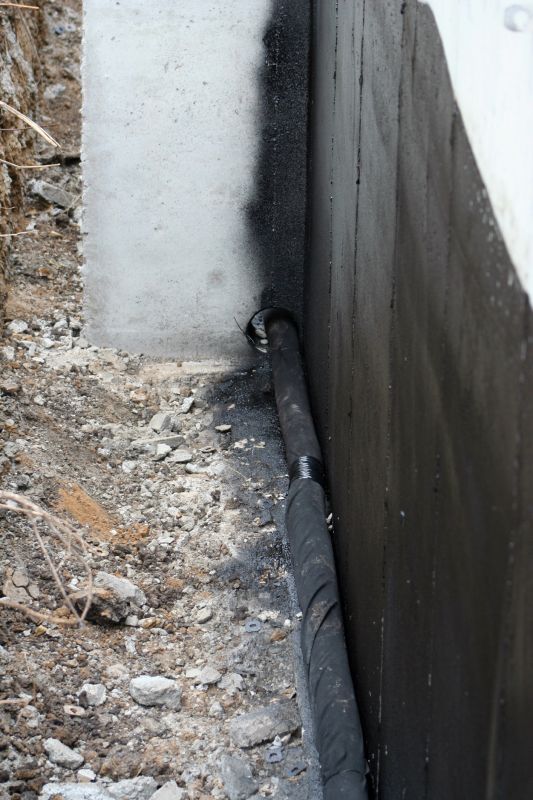
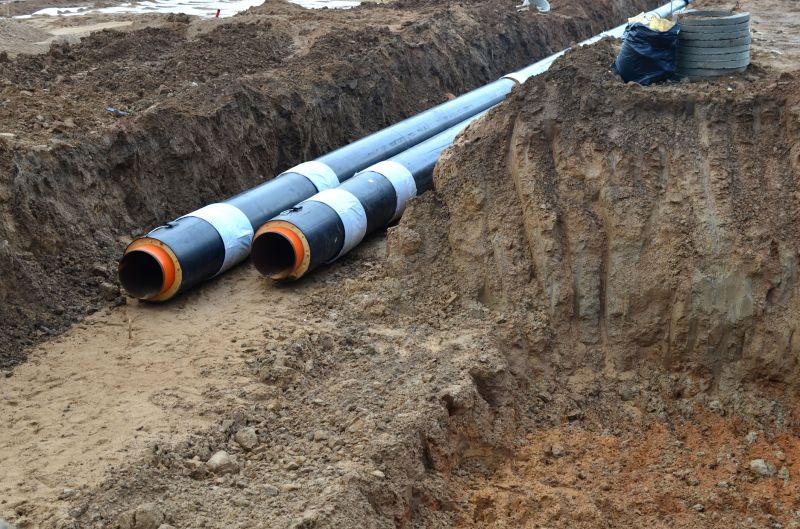
Drain line replacement services involve removing and installing new underground pipes that carry wastewater away from a property. Over time, drain lines can become damaged or deteriorate due to age, corrosion, shifting soil, or tree root intrusion. When these issues occur, it can lead to persistent backups, foul odors, or even sewage leaks that pose health and safety concerns. Professional contractors use specialized equipment and techniques to carefully excavate and replace compromised pipes, ensuring the plumbing system functions properly and reduces the risk of future problems.
This service helps solve common drainage issues such as frequent clogs, slow drains, or foul smells that originate from the plumbing system. In cases where drain lines are cracked, collapsed, or severely corroded, replacement is often the most effective solution. It can also be necessary when old pipes no longer meet current building codes or when repairs are no longer feasible. By replacing aging or damaged drain lines, homeowners can restore the integrity of their plumbing system, prevent costly water damage, and maintain a healthy living environment.
Drain line replacement is frequently needed in properties where the existing sewer or drain pipes have reached the end of their service life. This includes older homes with outdated plumbing systems, commercial buildings with high usage, or properties that have experienced significant ground movement or root intrusion. Both residential and commercial properties can benefit from this service when facing persistent drainage issues or signs of pipe failure. It’s an essential part of maintaining a property's plumbing infrastructure and ensuring that wastewater is safely and efficiently removed.
If signs of drain problems are apparent-such as recurring backups, slow drainage, or unpleasant odors-it's advisable to consult with local contractors who specialize in drain line replacement. These professionals can assess the condition of existing pipes and determine whether replacement is necessary. By working with experienced service providers, homeowners and property managers can ensure that the job is done correctly, minimizing disruption and helping to maintain a properly functioning plumbing system.
The overview below groups typical Drain Line Replacement projects into broad ranges so you can see how smaller, mid-sized, and larger jobs often compare in your area.
In many markets, a large share of routine jobs stays in the lower and middle ranges, while only a smaller percentage of projects moves into the highest bands when the work is more complex or site conditions are harder than average.
Smaller Repairs - typical costs for minor drain line repairs or replacements usually range from $250 to $600. Many routine jobs fall within this middle range, depending on the extent of the work needed.
Partial Replacement - replacing a section of a drain line can typically cost between $1,000 and $3,000. Larger projects or those involving difficult access may push costs higher, but most fall within this range.
Full Drain Line Replacement - complete replacements for main drain lines often range from $3,500 to $7,000. More complex or longer runs can reach $8,000 or more, though these are less common.
Large or Complex Projects - extensive drain line work, such as trenchless repairs or rerouting, can exceed $10,000 in some cases. Such projects are less frequent but necessary for significant plumbing upgrades or damage repairs.
Actual totals will depend on details like access to the work area, the scope of the project, and the materials selected, so use these as general starting points rather than exact figures.
Sewer Line Replacement - involves similar planning and use of specialized tools to replace underground sewer pipes that may be damaged or outdated.
Bathroom Plumbing Renovations - require knowledge of drain systems and precise installation techniques, making them related to drain line work.
Underground Utility Line Repairs - include locating and repairing or replacing buried utility lines, requiring similar excavation skills and planning.
Foundation Drainage System Installation - involves installing and repairing drainage systems to prevent water issues, utilizing comparable trenching and piping methods.
Kitchen Drain Line Repairs - focus on diagnosing and fixing clogs or leaks in kitchen drain lines, sharing skills in pipe inspection and repair.
Storm Drain System Replacement - entails replacing or repairing outdoor drainage pipes to manage runoff, involving similar excavation and pipe installation techniques.
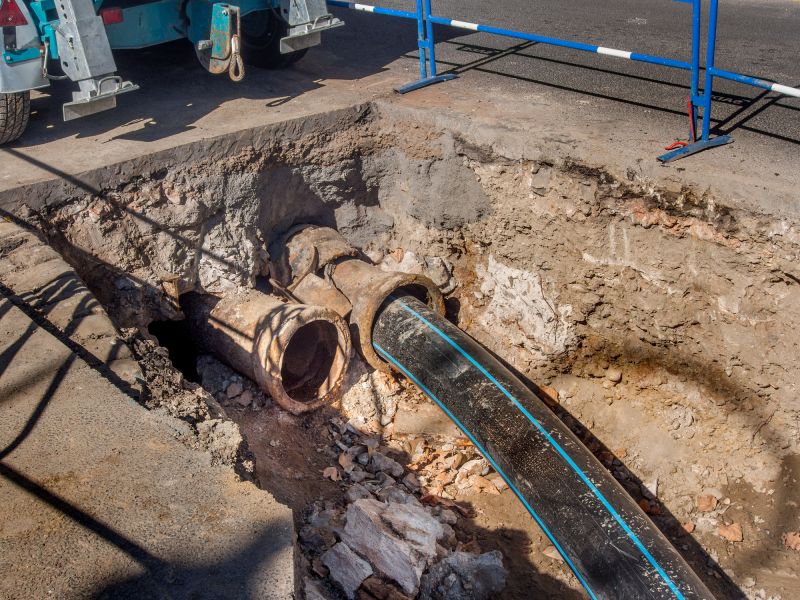
When evaluating potential service providers for drain line replacement, it’s important to consider their experience with similar projects. Homeowners should look for local contractors who have a proven track record of handling drain line replacements comparable to the scope of their own needs. Asking about the number of similar jobs completed and requesting examples of past work can provide insight into a contractor’s familiarity with the specific challenges involved, helping ensure that the chosen professional has the practical knowledge necessary for a successful outcome.
Clear, written expectations are essential when comparing local pros for drain line services. Homeowners should seek detailed descriptions of what the project entails, including the scope of work, materials to be used, and the steps involved in the replacement process. Having this information in writing helps prevent misunderstandings and provides a basis for comparing different contractors’ approaches. It also allows homeowners to ensure that the service provider’s plan aligns with their needs and expectations before any work begins.
Reputable references and effective communication are key factors in selecting reliable local contractors. Homeowners are encouraged to ask for references from previous clients who have had similar drain line projects completed. Contacting these references can offer valuable perspectives on the contractor’s professionalism, quality of work, and ability to adhere to commitments. Additionally, choosing service providers who communicate clearly and promptly can make the process smoother, ensuring that questions are answered and concerns addressed throughout the project. This focus on transparency and responsiveness helps build confidence in the contractor’s reliability and dedication to customer satisfaction.
Property owners use Drain Line Replacement services for practical projects around their homes and businesses. This guide focuses on everyday jobs and straightforward project options.
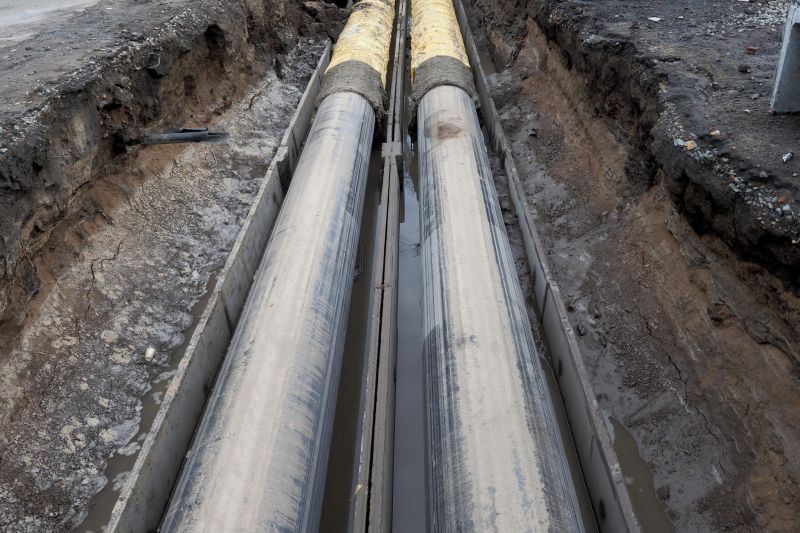
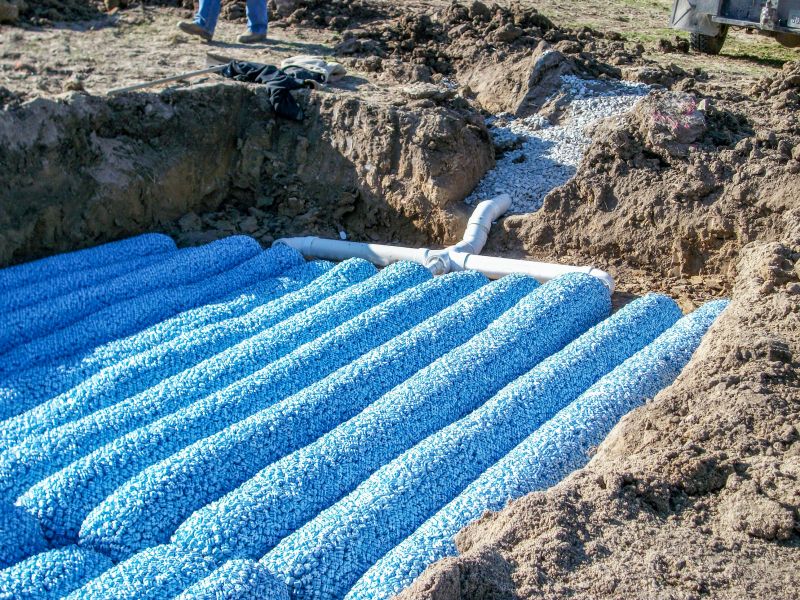
Drain line replacement services are often needed when property owners notice persistent clogs, foul odors, or backups in sinks, toilets, or outdoor drains. Over time, underground pipes can deteriorate due to age, root intrusion, or shifting soil, leading to leaks or blockages that disrupt daily routines. Local contractors can assess these issues and provide the necessary repairs to restore proper drainage, helping to prevent more serious plumbing problems down the line.
Property owners may seek drain line replacement after experiencing frequent backups or slow drains that don’t improve with standard cleaning. Heavy rainfall or nearby construction can also cause damage to underground pipes, making replacement the best solution. Local service providers are equipped to handle these projects, offering professional assistance to ensure the plumbing system functions safely and efficiently.
What is drain line replacement? Drain line replacement involves removing and installing new piping to ensure proper drainage and prevent leaks or blockages.
When might drain line replacement be necessary? Replacement may be needed if there are persistent clogs, leaks, or damage to the existing drain pipes that cannot be repaired effectively.
How do local service providers handle drain line replacement? Local contractors assess the condition of the existing drain lines and use appropriate methods to replace or repair the pipes as needed.
Are there different types of drain line replacement options? Yes, options can include traditional pipe replacement or trenchless methods, depending on the situation and the contractor’s approach.
How can I find a qualified professional for drain line replacement? You can contact local service providers through a lead generation platform to compare options and connect with experienced contractors in your area.
Drain Line Replacement for Renovations - Property owners planning kitchen or bathroom upgrades can consider drain line replacement to ensure plumbing functions properly after renovations.
Addressing Persistent Drain Issues - When drains frequently clog or drain slowly, replacing old or damaged drain lines can improve flow and prevent future backups.
Preparing for Property Inspections - During home inspections, replacing outdated drain lines can help meet code requirements and avoid issues during sale or refinancing processes.
Upgrading for Better Plumbing Performance - Upgrading drain lines can enhance overall plumbing performance, reducing the likelihood of leaks and improving system longevity.
If you are thinking about Drain Line Replacement for a property, this guide is meant to help you understand the work, the typical project types, and how different options might fit your plans.
When you are ready, you can use the quote form on this page to share a few details about your project. From there, local pros can review the basics and respond with options that match what you have in mind.